

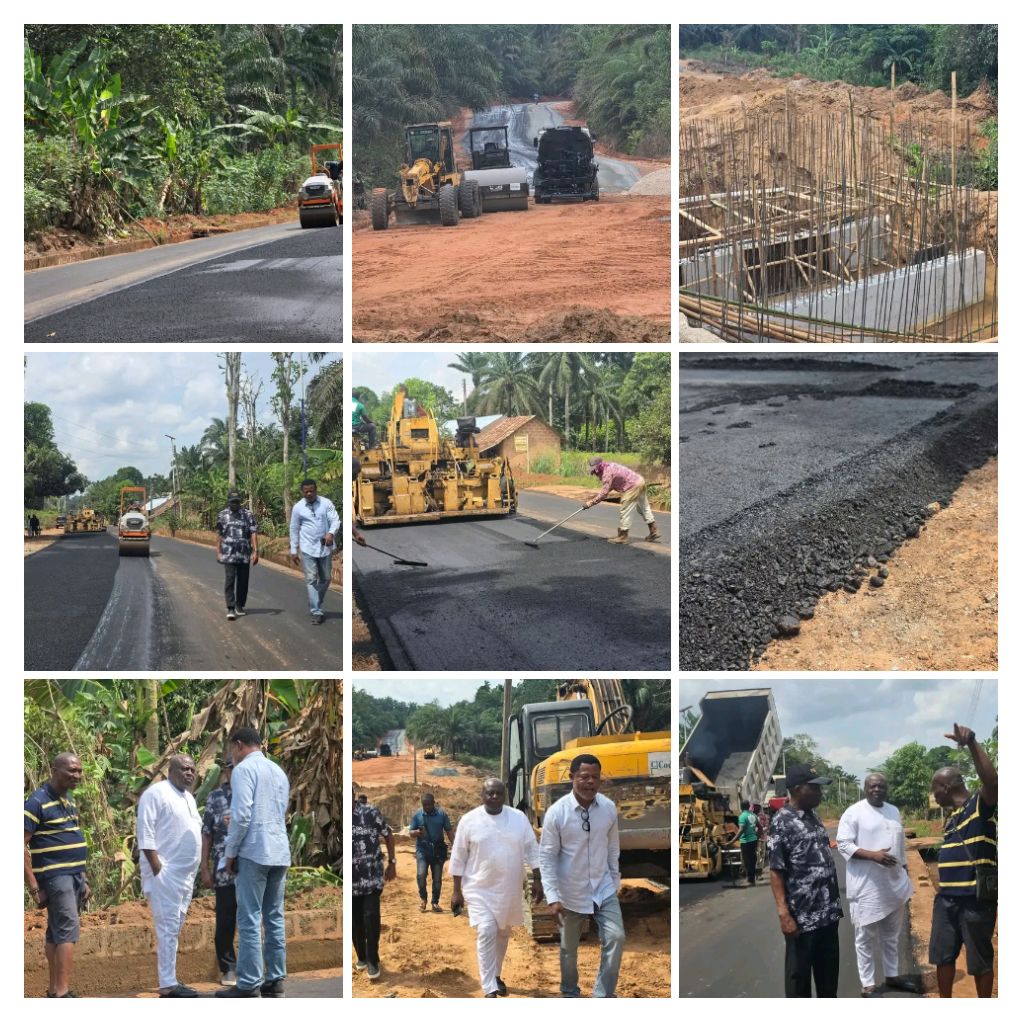
What can be described as a new dawn for rural connectivity is coming up in Isiala-Mbano and Ehime-Mbano in the Okigwe Zone of Imo State, as the Imo State Government has intensified efforts towards the recovery of the area.
As part of efforts to ensure sustainable project delivery, the Commissioner for Works, Ralph Nwosu, made an unscheduled inspection visit to the ongoing rehabilitation of the Amaraku/Umuelemmai road in Isiala Mbano LGA and the construction of the Agbaja, Mgboroko, and Umuezeala Umukabia road in Ehime Mbano LGA.
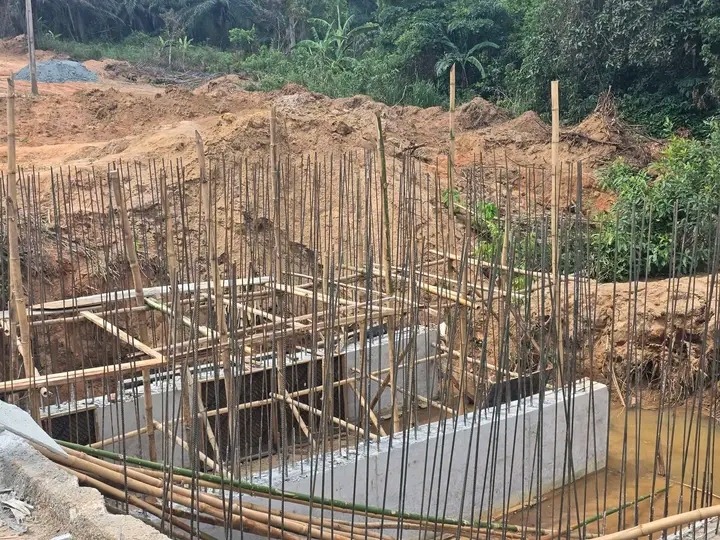
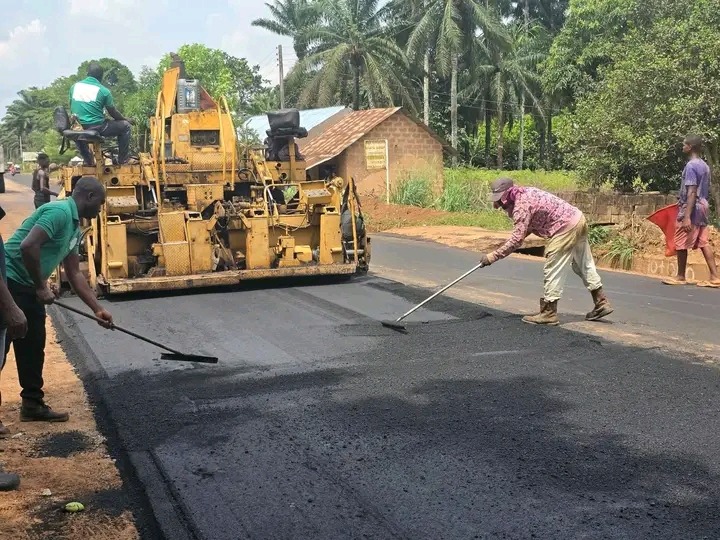
The visit, as gathered, is focused on the progress of works along the Amaraku/Umuelemmai Road in Isiala Mbano Local Government Area, as well as the ongoing construction of the Agbaja-Mgboroko-Umuezeala-Umukabia Road in Ehime Mbano, described as strategic arteries.
The inspection underscores the ministry’s dedication to maintaining strict oversight and ensuring that projects meet the required standards without delay and reinforce the delivery of durable infrastructure.
During the tour, Commissioner Nwosu lauded the contractors for the rapid advancements made on both sites, urging them to maintain the current high velocity of work.
He emphasised that these specific arteries are not merely local thoroughfares but are integral to the government’s broader vision of upgrading road networks to stimulate rural development.
Nwosu said that the construction of these strategic corridors underscores the administration’s commitment to improving road infrastructure and enhancing connectivity in rural areas.
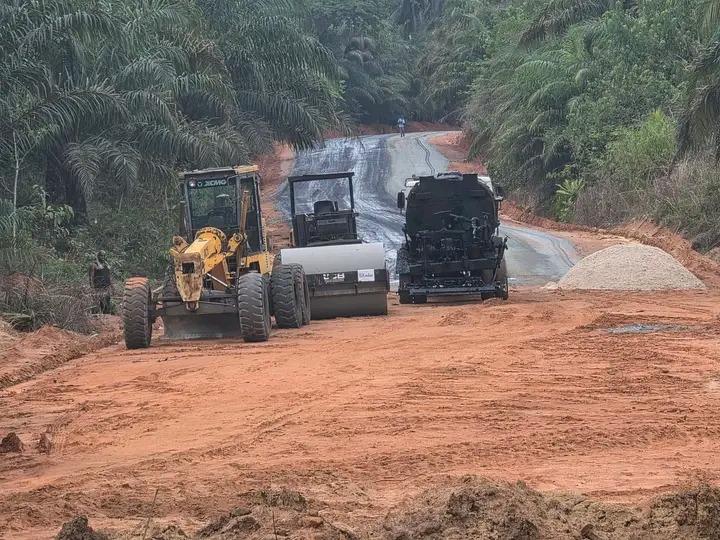
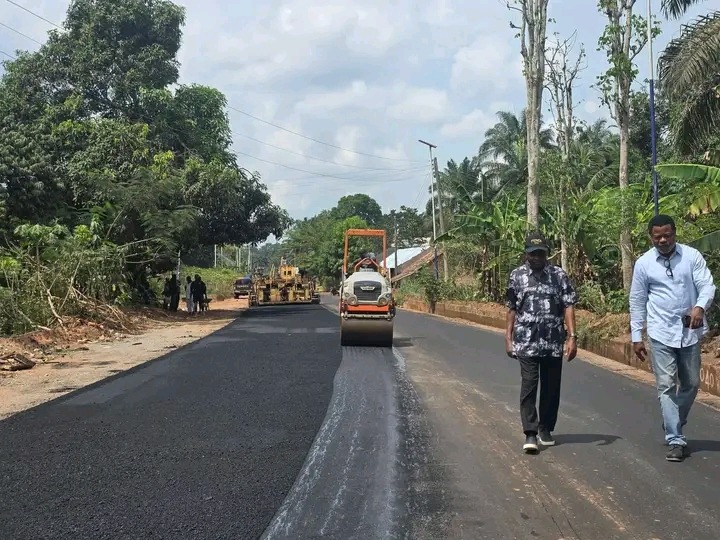
Sources from the ministry told DrumAfricanews that upon completion, the two roads will improve transportation, boost economic activities, and enhance the quality of life for residents, fostering growth and development in the region.
All over Imo State, especially in the Mbano area, the Amaraku/Umuelemmai Road and the Agbaja-Mgboroko-Umuezeala-Umukabia Road are considered strategic corridors that will serve as lifelines for the agrarian communities they traverse.
“Upon completion, these routes are expected to drastically reduce travel times and post-harvest losses by providing farmers with smoother access to urban markets,” a source said.
