

Stakeholders have called for legislative attention and improvement to the Abia State Centre for Rehabilitation of Survivors of Rape, Defilement, Domestic Violence and Any Form of Human Trafficking Law 2026.
Recall that Abia recently commissioned her Sexual Assault Referral Centre (SARC) within the premises of the Aba General Hospital, with an assurance by the government that more SARCs will be set up across Abia State.
DrumAfricanews reports Governor Alex Otti April 20, 2026 signed into law the Abia State Centre for the Rehabilitation of Survivors of Rape, Defilement, Domestic Violence and any form of Human Trafficking Bill of 2026, hence current review by stakeholders.
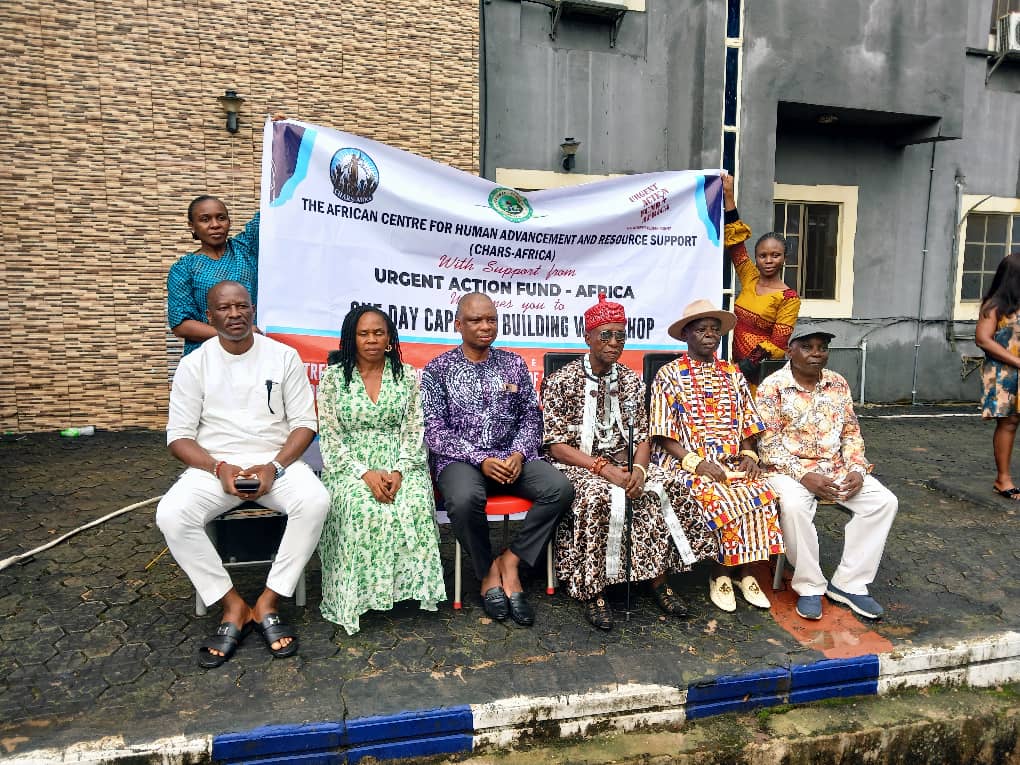
At a one-day stakeholder engagement and capacity-building workshop, organised by the African Centre for Human Advancement and Resource Support (CHARS-Africa) with support from the Urgent Action Fund-Africa, held at the BANPAC event centre in Umuahia, stakeholders pinpointed some concerns about the law.
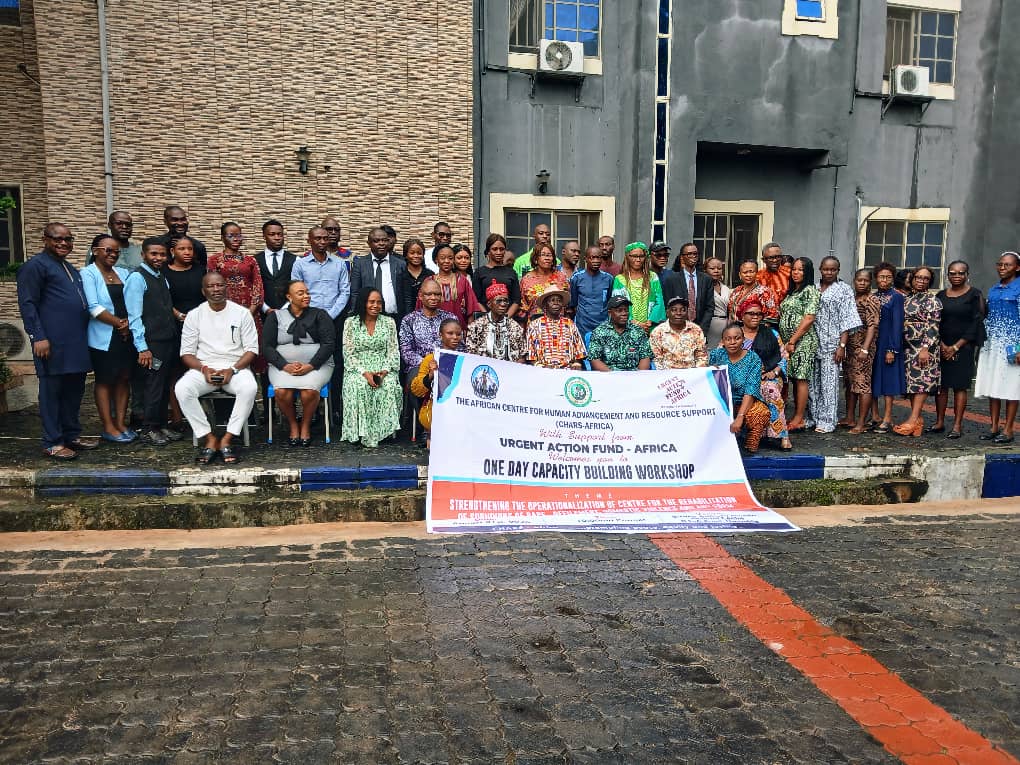
The stakeholders seized the opportunity to examine the legal framework for survivor protection and rehabilitation as provided in the Abia State law establishing the SARC in Aba, and to identify gaps requiring legislative attention.
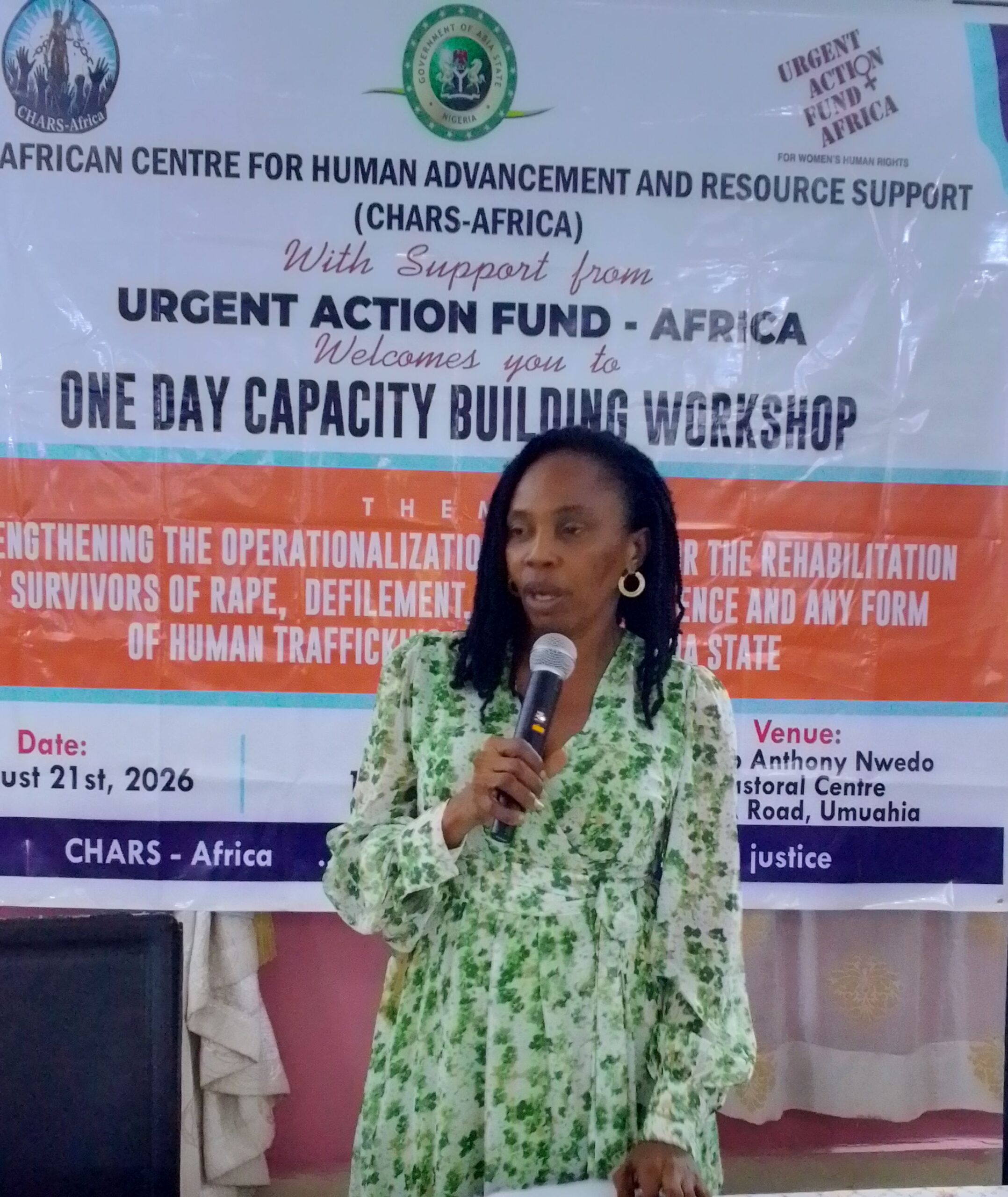
DrumAfricanews reports that the engagement themed “Strengthening the Operationalisation of the Abia State Centre for Rehabilitation of Survivors of Rape, Defilement, Domestic Violence and Any Form of Human Trafficking Law, 2026″, was worth it as several deliberations took place
The engagement brought together stakeholders from MDAs, law enforcement, professional bodies, labour unions, religious and traditional institutions, media, and organised civil society organisations.
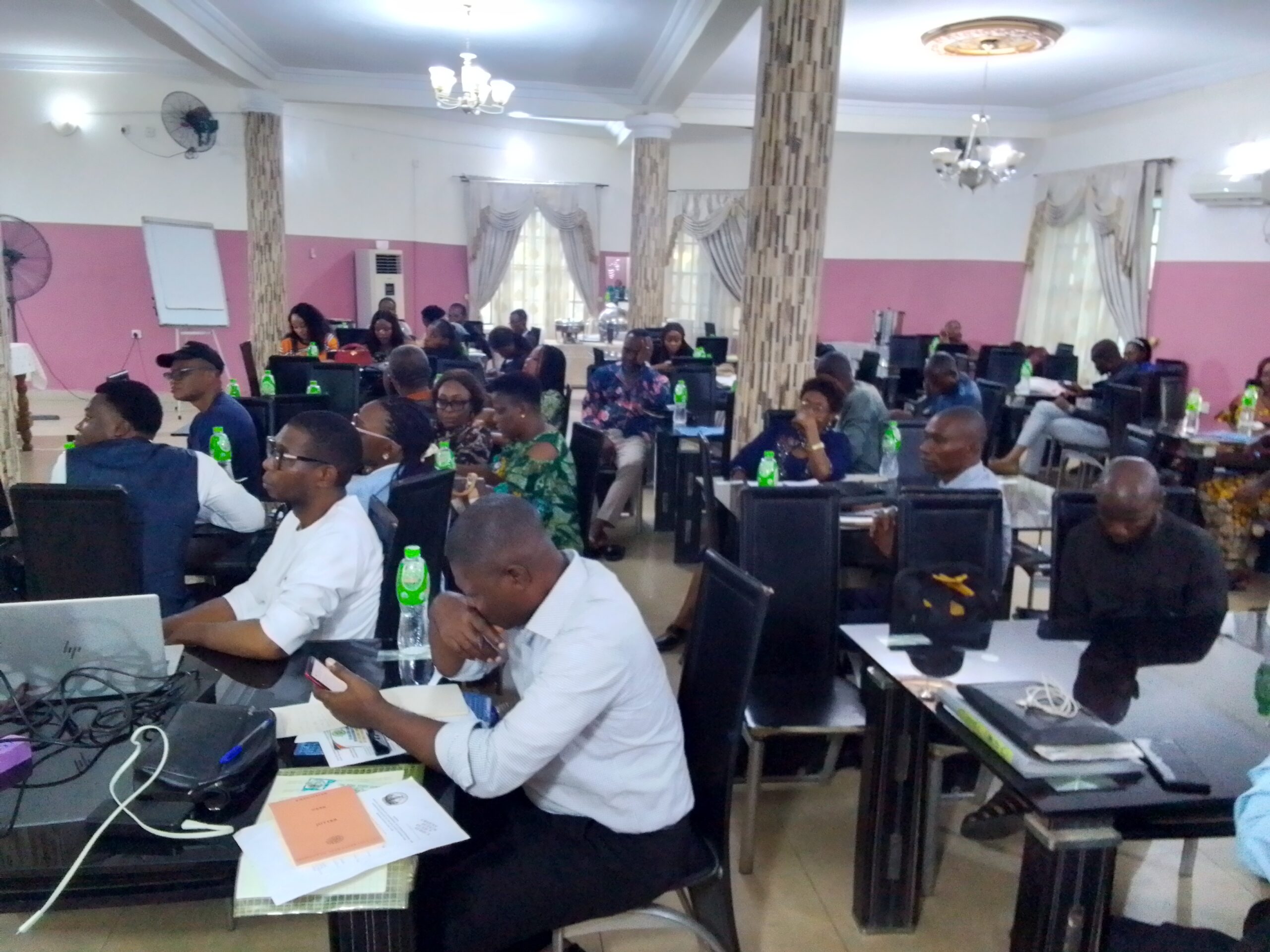
The stakeholders identified significant gaps in the said legal framework and made recommendations aimed at strengthening its effectiveness using a survivor-centred approach.
The communiqué issued at the end of the stakeholders’ engagement, the stakeholders called for the explicit inclusion of rape and human trafficking within the scope of the law; stronger provisions for survivor rehabilitation; empowerment; education and economic reintegration; and provision of safe shelter beyond six months when a survivor’s circumstances require continued protection.
In the communiqué signed by Amaka Biachi Esq., Executive Director, CHARS-Africa, and Okoye Chuka Peter, Programme Consultant, the stakeholders also called for a stronger and more inclusive ‘governing board’ for the centre for effective participation of relevant institutions at both state and local government levels and put in place appropriate mechanisms for coordination and accountability.
They stakeholders further recommended that the Centre be staffed with qualified personnel with expertise in Gender Based Violence (GBV), child protection, human trafficking and social welfare, while the legal adviser should be appropriately appointed to provide effective legal support to survivors and the Centre.
The advocated for the protection of the privacy, dignity and confidentiality of survivors. This they say must be with appropriate safeguards against sexual, financial and other forms of exploitation or abuse.
The communiqué also called for the incorporation of the recommendations generated during the engagement to be considered in future reviews of the legislation.
The stakeholders urged continued collaboration among government institutions, civil society organisations and other relevant stakeholders towards entrenching the practice as provided by the law.
They commended CHARS-Africa and Urgent Action Fund-Africa for facilitating the engagement and creating a platform for meaningful stakeholder participation.
