






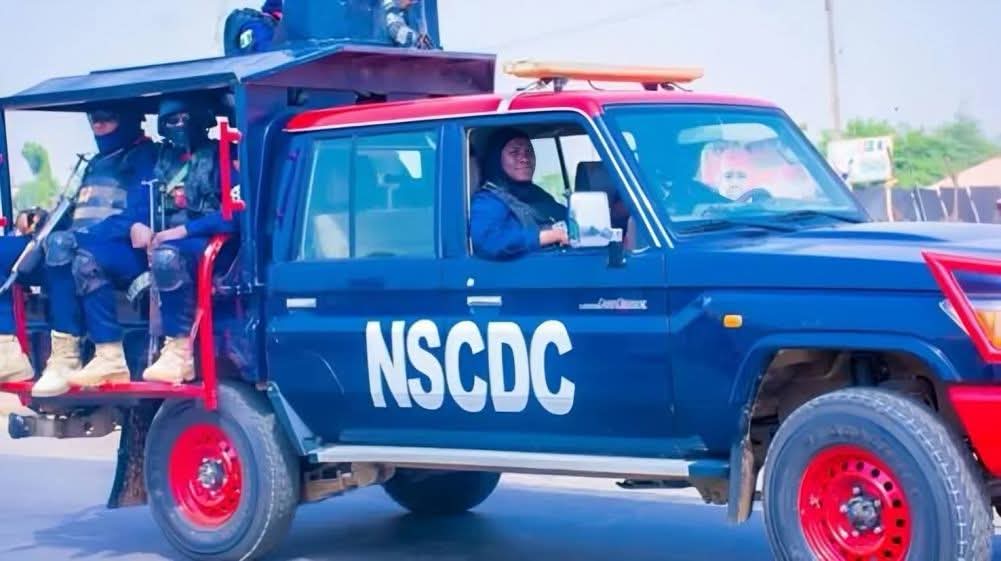
Security agencies in Imo State are strengthening collaboration through intelligence sharing, coordinated operations and the seamless transfer of suspects, in a renewed effort to combat criminal activities and safeguard lives, property and critical infrastructure across the state.
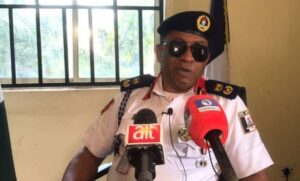
The Commandant of the Nigeria Security and Civil Defence Corps (NSCDC), Imo State Command, Basil Igwebuike, disclosed this while speaking with journalists in Owerri.
According to him, the growing cooperation among the various security formations has significantly reduced inter-agency rivalry while creating a more coordinated approach to addressing security threats.
Igwebuike explained that security agencies now routinely support one another when suspects are arrested for offences outside the operational jurisdiction of the arresting agency.
He described the arrangement as an important mechanism for preventing criminals from exploiting gaps between security formations.
The NSCDC Commandant noted that the collaboration operates in both directions. Suspects apprehended by the Army, Navy, Air Force and other security formations over offences within the statutory responsibilities of the Civil Defence Corps, particularly pipeline vandalism, are transferred to the NSCDC for appropriate prosecution.
He disclosed that some suspects arrested by the Nigerian Navy and the Joint Military Task Force are currently facing prosecution over alleged pipeline-related offences, while exhibits recovered during such operations are being kept at the Naval Base, Oguta, pending their presentation before the court.
The same principle, he explained, applies to other forms of criminality. Cases involving cannabis cultivation and drug-related offences are transferred by the NSCDC to the National Drug Law Enforcement Agency (NDLEA), while matters falling within the jurisdiction of the Civil Defence Corps are referred back to the NSCDC.
Igwebuike identified intelligence gathering, processing and dissemination as a critical component of modern security operations.
He therefore appealed to residents to remain vigilant and promptly provide useful information to security agencies whenever they notice suspicious activities.
Emphasising the importance of community participation, he encouraged residents to embrace the principle of “If you see something, say something,” noting that timely information can enable security agencies to detect threats before they escalate.
Beyond conventional security operations, the Commandant said the NSCDC Imo Command is also focused on protecting critical national assets, including oil pipelines, telecommunications facilities, transportation infrastructure, schools and healthcare institutions.
He added that the Corps is responsible for regulating private guard companies and has deployed its Agro Rangers to help address farmer-herder conflicts.
The Command also operates a Peace and Conflict Resolution Unit, while its Anti-Human Trafficking Unit continues efforts against human trafficking and related criminal activities.
Igwebuike further acknowledged the contributions of public-spirited individuals who have supported the command with logistics and other forms of assistance, including accommodation and vehicle rehabilitation.
He said such interventions have enhanced the operational capacity of the Corps and strengthened its ability to restrict the activities of criminal elements.
The NSCDC Commandant attributed part of the improved inter-agency relationship to the encouragement of the Imo State Government under Governor Hope Uzodimma, while expressing the command’s determination to deepen cooperation with other security formations.
He also called for stronger partnership between the NSCDC and the media, particularly in reaching young people through campaigns against cultism, substance abuse and the recruitment of youths into criminal activities.
Igwebuike urged journalists to verify information concerning NSCDC operations before publication, stressing that accurate reporting is essential to effective security communication.
He maintained that sustained cooperation among security agencies, the media and the public remains vital to protecting lives, property and critical infrastructure throughout Imo State.


