








The earth shook in celebration; their ancestors had those ancient smile that goes with nodding of head in agreement, as members of the Egwuena Age Grade, continued their journey towards the perpetuation of Iza Obu (Annual Court Cleansing Festival) of the Abiriba people in Abia State.
To so many other clans in Igboland, culture is archaic and mundane. However, to the Abiriba people in Abia State, culture is a tool for development and equally the foundation for the building and maintenance of a progressive society.
As gathered, Iza Obu is a cultural practice in Abiriba that is as old as the clan itself. It is a unique ceremony and an integral part of the Igwa-Mang institution, which remains one of the most respected responsibilities of the military age grade in the community.


Hence, June 13, 2026, is sacrosanct, and its sacrosanctity is visible to the blind and audible to the deaf, as it marks the day the “Egwuena Age Grade”, who experientially have seen the footmarks of their ancestors, officially plant their own in them by taking cultural responsibility to perpetuate a progressive Abiriba society.
It was a colourful event that attracted family members, friends, well-wishers and lovers of African cultural practices across the globe, who gathered to see Abiriba moving forward in a progressive trajectory like never before.

The General President of the Egwuena Age Grade, Prince Kalu Eme Kalu, thanked God for the ceremony and appreciated the people for showing up.
He narrated the story of how ancient Abiriba warriors would go to war, and upon returning, their families would wait patiently for them somewhere, which used to be part of the ancient culture of the land.
Touching deeply into history, Mr Onyeukwu Okorouga, president of Egwuena Age Grade Aba Branch, said that what they are doing is a symbolic court cleansing or sweeping to show respect for their elders in Amaeke, Abiriba, so that the court will remain clean for the elders to often gather and do their duties.
He explains that since war is no longer in vogue, the age grade currently seeks other better community development projects they’ll deliver to the people to replace the usual war victories, as culture is dynamic and progressive.
To appreciate the link between the ancient war era Okorouga referred to in his comment and now, it is necessary to explain it thoroughly according to the history of Abiriba and how it all started and then draw the line to show the link to today.

Historically, Iza Obu is interwoven with the origin and development of the Abiriba society. In ancient times when warfare was a necessity for survival, Abiriba was never found wanting. It expanded and defended its territories through profound military engagements.
The younger able men of the clan were entrusted with the objective responsibility of protecting their people and heritage from all kinds of external aggression and threats. They engage in ‘tour of duty’ and ‘military expedition’ on behalf of Abiriba.

When the war ends, returning soldiers were historically not immediately recognised as full-fledged elders. They will instead enter a period of transition that will prepare them for integration into the ranks of mature and responsible men within society.
History has it that this transitional phase usually lasted four good years, during which the returning soldiers or warriors were obliged to be of good behaviour, wearing marks of discipline on their foreheads by demonstrating true responsibility, loyalty and commitment to the communal services.

One of the most important obligations during these four years was the annual observance of the Court Cleaning Festival – Iza Obu.
The exercise was not merely a sanitation activity. It represented a symbolic expression of service, humility, responsibility, and respect for the institution of leadership and justice. The Significance of the Court House.
Speaking further, Okorouga said that having inherited a peaceful society now, Abriba looks beyond the ancient wars and seeks after developmental projects that the age grade can offer.

According to him, it still follows the four-year calendar of court sweeping, and currently the Egwuena Age Grade has gone past two years, remaining two before they will leave the duty for another age grade to take over.
He said that one thing that goes for the Egwuena Age Grade is the obvious love and show of respect amongst them and went on to advise those following them behind to emulate that love and unity seen within the Egwuena Age Grade so that they will do better than they have done so far.
Mr Amogu James, vice president of the Egwuena Age Grade Aba Branch, described the ceremony as a continuation of what they inherited from their forefathers and prayed that all the members of the Egwuena Age Grade live long to enjoy the goodness of life.
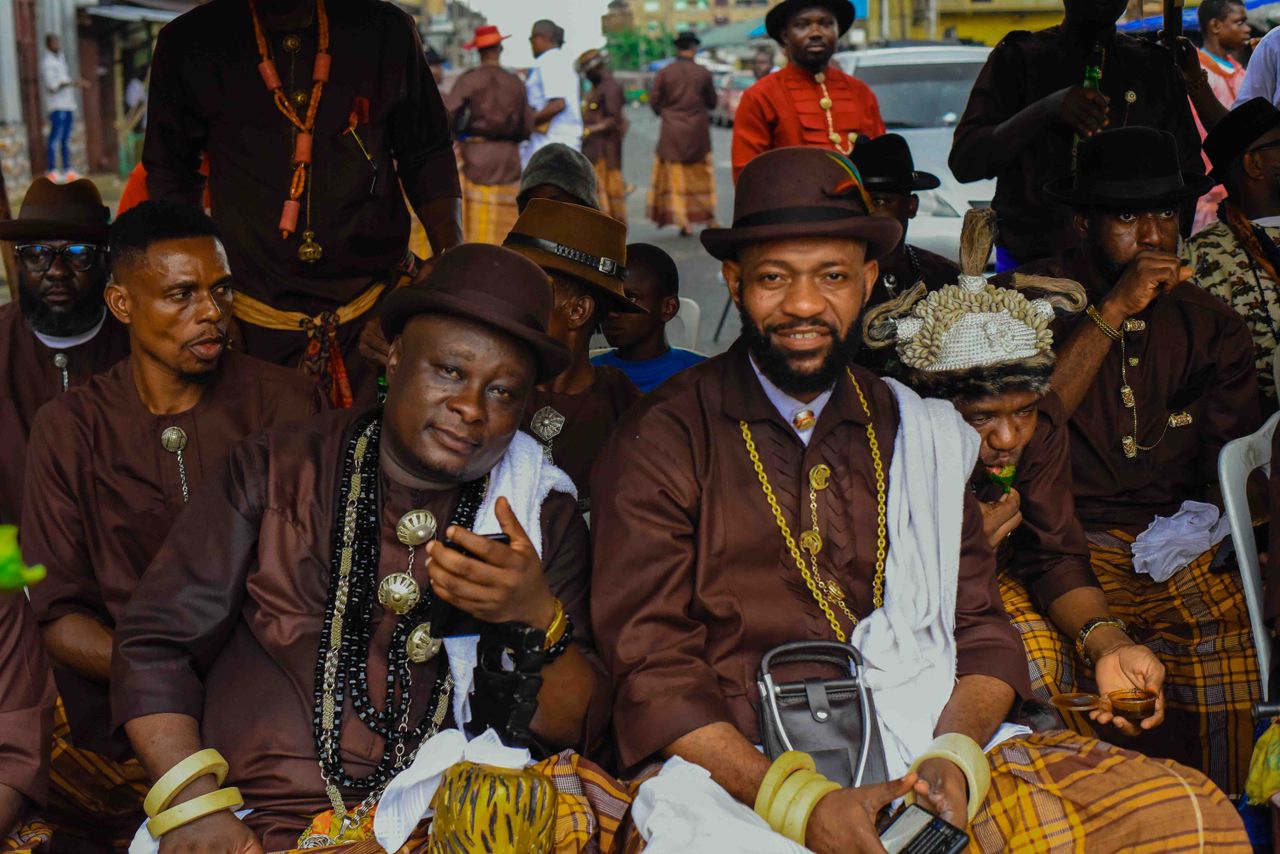
A member of the Egwuena Age Grade, Mr Kalu Onwuka, said that they are sweeping the Obu for the elders of Amaeke Abiriba in perpetuation of what was handed down to them by their ancestors, which equally has rewards and blessings attached to it.
He explains that in Abiriba society, ‘when the treetops were the ground for the squirrel’, the Court House (Obu) occupies a central position in governance and community administration. It is the sacred place where kings, elders, chiefs, and custodians of tradition gather to deliberate on matters affecting the community.
According to facts available in Abiriba history, “It serves as the seat of justice, conflict resolution, decision-making, and preservation of customs. Therefore, by cleaning the Court House annually, the age grade symbolically and consciously renews its commitment to protecting the institutions that uphold order, justice, and unity in the community.”

Frankly, Abiriba people are ancient people. Their cultural practices have lasted for centuries, wrestling and defeating times, surviving visiting ideas, and standing up to the winds of foreign changes, yet they are very progressive and unallergic to development and progress, which makes them very dynamic.
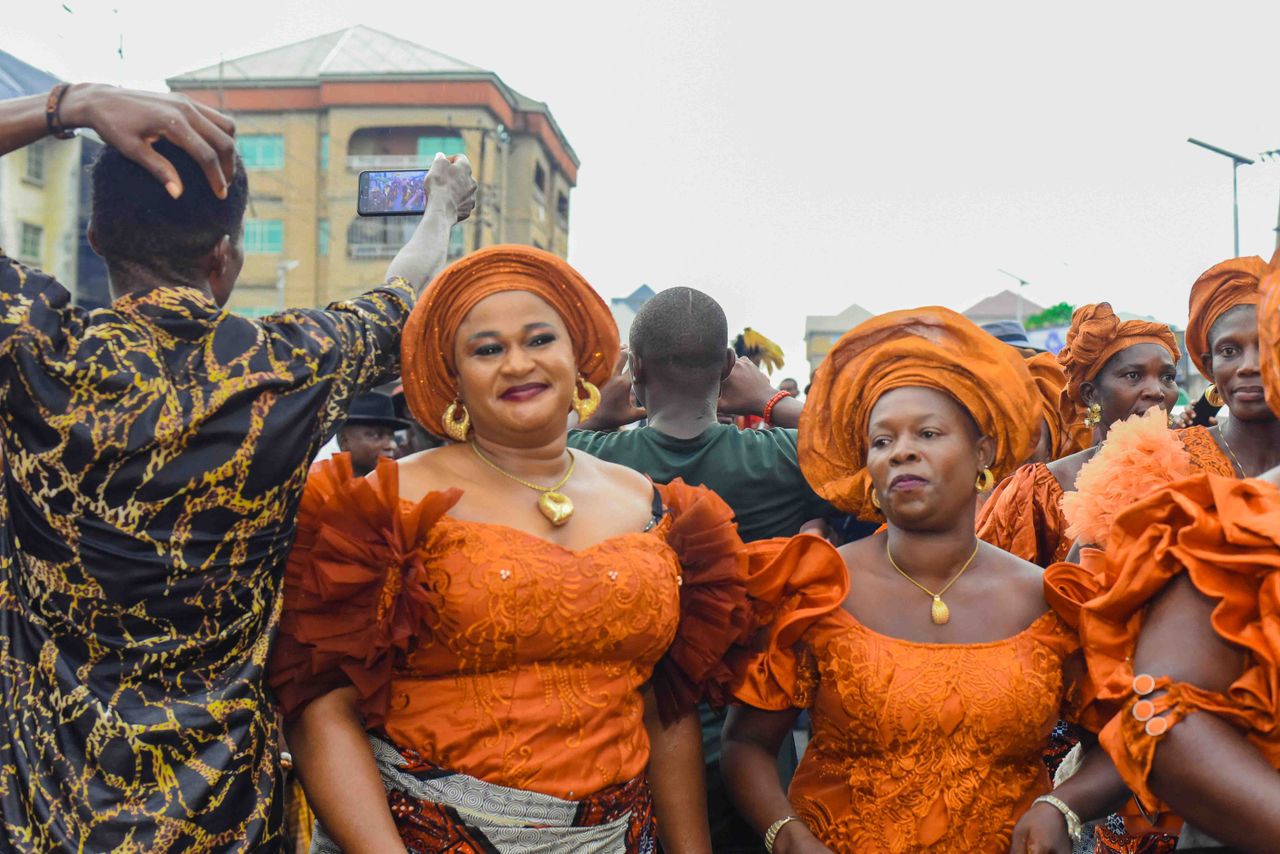
From time immemorial, in every teaching about Igbo society, even from junior school, the age grade system is said to be one of the top pillars of Igbo society. Today, make proper research, and you’ll discover that Abiriba is arguably the major clan in Alaigbo still maintaining the age grade system and its developmental strides.
Other sources who spoke at the occasion corroborated the narratives of those who spoke above and unanimously pointed out the fact that Iza Obu is not just a physical exercise.
According to what they said, Iza Obu embodies the values of gratitude, respect for seniority, and communal solidarity, as it reminds younger generations that leadership is sustained through service and that no society can thrive when its elders are neglected.
It is necessary to reiterate that the Iza Obu Festival forms part of the broader Igwa-Mang institution, one of the most important traditional rites in Abiriba culture.

Among the thirteen age grades that make up the social structure of the Abiriba community, each age grade must pass through this stage at the appropriate time.
As older age grades retire from active communal duties, younger ones emerge to assume responsibilities for the protection and administration of the community.


