





Prince Eze Ugochukwu
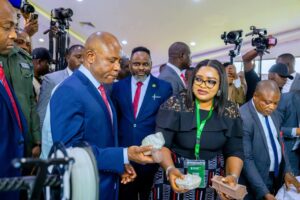
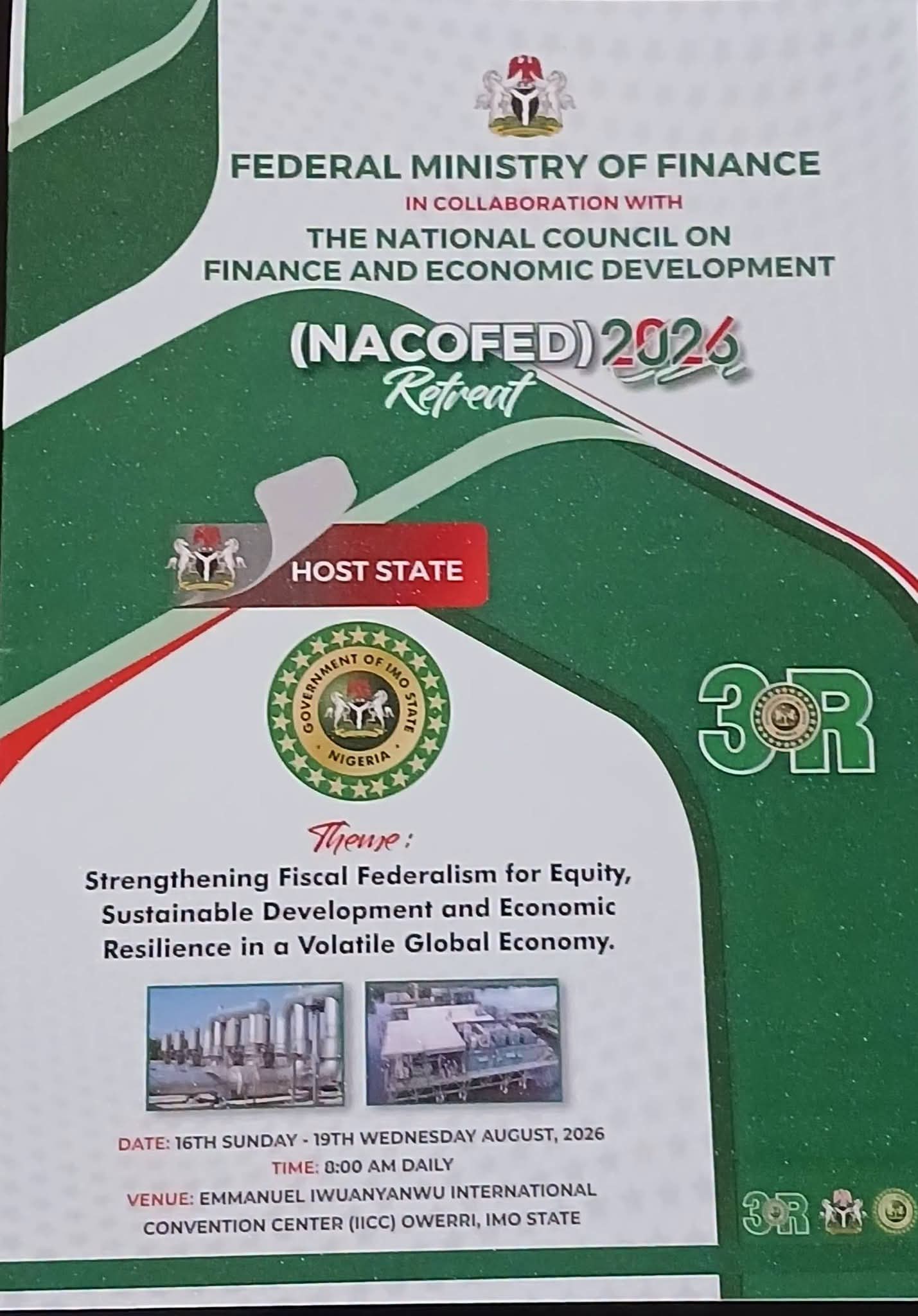
The 2026 National Council on Finance and Economic Development (NACOFED) commenced today in Owerri, Imo State, with a powerful call for a fundamental re-examination of Nigeria’s fiscal federalism.
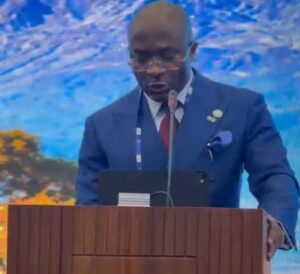
The retreat, which brings together key financial stakeholders from the 36 states and the Federal Capital Territory, was declared open with a compelling address by the Honourable Minister of Finance and Coordinating Economy, Mr. Taiwo Oyedele .
Mr. Oyedele set the tone for the deliberations, stating that the gathering is not merely a routine meeting but a platform for honest interrogation of the nation’s fiscal architecture. “This year, we are using it not merely to compare notes, but to genuinely interrogate whether the architecture we inherited still serves the Federation we are trying to build,” the Minister declared.
The event, hosted by the Imo State Government, is centered on the theme: “Strengthening Fiscal Federalism For Sustainable Revenue Generation, Equitable Allocation And Economic Reliance In A Volatile Global Economy” .
The Minister emphasized that the discourse must move beyond theoretical models to confront the harsh realities of equity. In a poignant moment, he stated, “A formula that works brilliantly on spreadsheet but leaves entire region permanently behind is not formula this federation can afford to keep.”
Reflecting on the past three years, the Minister defended the administration’s tough, yet necessary, economic reforms. He noted that the Federal Government had taken “decisions that were not politically comfortable,” including the removal of fuel subsidies, the unification of the exchange rate, and ending the practice of financing deficits by simply printing money. “None of these choices were made for their popularity,” he stressed. “They were made because the alternative of continuing to borrow from tomorrow to fund today’s consumption was no longer sustainable” .
These macro-fiscal reforms are being complemented by targeted social intervention programmes. Oyedele highlighted the expansion of cash transfers now reaching 15 million vulnerable households, and the newly launched NG-CARES programme, designed to reach citizens directly in their states and communities .
The Minister challenged the council to interrogate the current allocation and derivation principles, asking whether they are fit for a federation trying to diversify away from oil. He made a compelling case for a system that rewards states for their fiscal discipline and economic productivity.
“States must not just be merely recipients of federal transfers but economic platforms capable of attracting investment, supporting businesses, building infrastructure, and creating jobs,” he charged.
He concluded by charging the summit to commit to fiscal responsibilities, prudent public financial management, and budget transparency. “We cannot design a resilient federation around the assumption that every state has the same revenue base, the same population pressure, the same security burden, or the same starting point in human capital,” he stated, underscoring the necessity of a system that recognizes the unique challenges of each federating unit.
The four-day conference is expected to witness robust technical deliberations among Commissioners of Finance, Accountants-General, and heads of revenue agencies as they work to forge a new consensus on Nigeria’s economic future .


