






Information available to DrumAfricanews from the BudgIT service delivery monitoring platform, Tracka, shows that Abia State has 20 per cent abandoned projects in the years under review, which placed her second to Taraba State with 29.9 per cent.
BudgIT, in its uncovering of widespread cases of abandoned projects across several states in Nigeria, revealed that after Abia, in second position, Nasarawa State has 10.5 per cent; Adamawa State has 7.5 per cent, while Ogun State has 7.1 per cent.
According to BudgIT (7.11 per cent), these states, led by Taraba and Abia, collectively account for 97.5 per cent of all abandoned projects tracked in the entire federation, representing N7.8bn out of the N8bn tied to abandoned projects with funds already disbursed.
The analysis of Tracka’s 2024/2025 report, titled “The People and Government Oversight: Connecting the Dots in Service Delivery”, which was unveiled in February 2026, showed that 17 states recorded no abandoned projects during the tracking period.
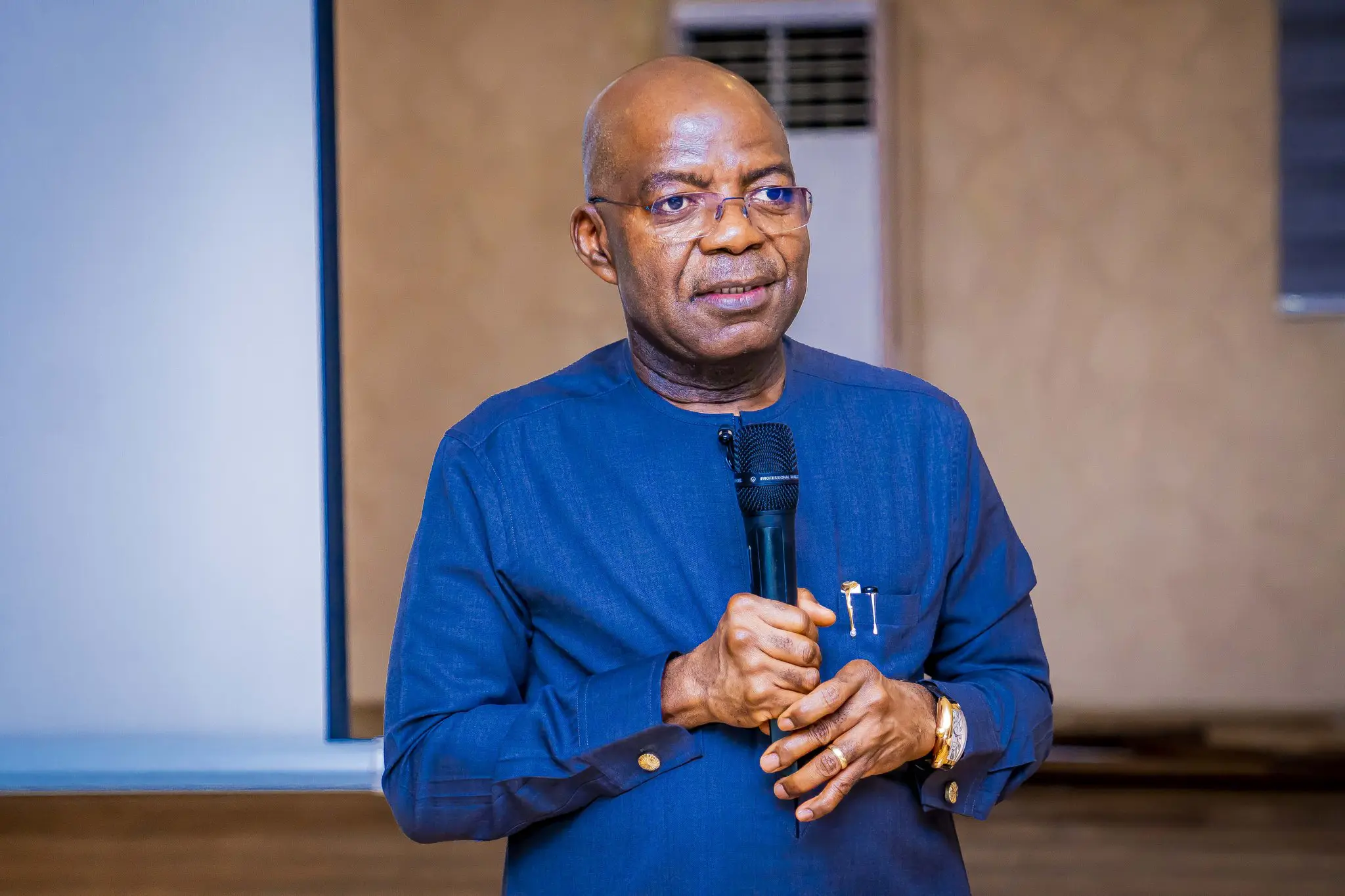
The report also assessed fiscal performance and project implementation in Abia State under Governor Alex Otti and revealed that under him,
Abia State has recorded significant growth in internally generated revenue, increasing from N20.1bn in 2022 to N23.7bn in 2023 and surging to N40.0bn in 2024.
According to the report, “While this growth reflects improved revenue mobilisation and fiscal capacity, project tracking outcomes reveal substantial implementationchallenges.”.
“Despite increased capital investments, only about 39 per cent of monitored projects were completed, indicating weaknesses in project execution and delivery.”
The report also added that from the 2024 Federal Government budget, Abia State was allocated 514 ERGP and ZIP projects valued at N96.8 bn, representing a 75.34 per cent increase over the 2023 allocation of N23.9 bn.
It says that Tracka tracked 75 projects valued at N10.84bn. Findings showed that 27 projects were completed and in use, 15 were abandoned, 15 were ongoing, 10 had not commenced, and eight were handled fraudulently, underscoring persistent accountability and procurement integrity concerns.”
After studying the analysis, civil society organisations blamed corruption, weak accountability systems, and poor planning for the persistent abandonment and non-execution of public projects across Nigeria, warning that the trend continues to waste billions of naira.
The executive director of the Civil Society Legislative Advocacy Centre, Auwal Musa, while speaking on the issue, said the problem of abandoned projects has lingered for years across successive administrations.
He said that over the years, the abandonment of projects by different governments, both at the state and national levels, has serious implications.
The executive director, who attributed the trend largely to misuse of public funds, added that one of the reasons for the abandonment of projects is that there’s corruption.
According to him, corruption is the driver sometimes because they initiate projects, and they just take the money to start the projects, then they will abandon them and leave the projects. “And sometimes, this money is outrightly diverted or misused,” Musa stated.
Musa also said that political transitions are a major factor, noting that incoming administrations often neglect projects initiated by their predecessors.
“Then secondly, we also know that there’s a problem of political instability. Although the government is supposed to be a continuous exercise, some of the states that have inherited projects will not want to do them. They want to initiate their own,” he added.
He said that inadequate funding and poor planning further worsen the situation, adding that this “therefore creates a problem, and a lot of projects are being abandoned which were initiated by the previous administration.
“Also, you have a problem that has to do with the fact that there’s not even money to actually sustain or to continue with the project. So, inadequate funding of those projects also contributes to the abandonment of projects.
“It is really unfortunate that billions of naira are wasted on these projects. Those sometimes are just political projects. They are not meant to improve the well-being of Nigerians, nor are they meant to also create economic fortune for the people in the state or at the federal level.”
Musa urged governments to prioritise impactful projects and improve planning processes. “So governments need to stop all these unnecessary projects that they cannot fund. But at the end of the day, they just start the project and abandon it. They need to stop those things.
“They need to focus on projects that will have social and economic benefits for the state and for the nation. This is the only way we can cure this. Of course, lack of planning is part of the problem.
“When people have no project planning, they just initiate a project, budget some money for that particular year, and the project probably will reach 10 years or five years of planning. But they will just start the project, collect the money, and abandon it.
“So we need to stop all this as a way of managing the resources that we have in Nigeria, stop economic waste, and ensure that this money is utilised for the benefit of the Nigerian people.”
Similarly, the Executive Director of the Centre for Anti-Corruption and Open Leadership, Debo Adeniran, said the problem of non-executed projects has persisted for decades.
He blamed the situation on the absence of sanctions for erring officials. “There are no consequences for those who don’t implement the appropriation laws set by the Parliament, both at the state level and the national level, and that should be instructive even to those of us and those of you in the media. It’s a good thing that is coming up now.
He said that non-execution of projects has been there since Obasanjo, stressing that it was when Musa Yar’Adua came into power that they implemented a policy that unspent budget should be returned and that any public servant who refused to return it would be punished.
He further criticised the politicisation of governance, which he said leads to the proliferation of abandoned projects.
“Politicians have politicised everything. They want their own records to surpass the records of their predecessors, so instead of completing existing projects, they will start new ones, which they themselves may not finish.”
He called for stronger enforcement by anti-graft agencies and stricter penalties. “Both state and local government officials who are found wanting should be thoroughly punished by anti-graft agencies.
“All of these agencies should be empowered to do their work to the extent that everybody that is involved, including the government; if they don’t execute the project that has been awarded, they should not be allowed to start another so that at the end of the day people will have the opportunity of breathing the air of freedom and enjoy the dividends of democracy the way they desire it.
“Because there are no consequences for abandonment of a project, it is almost a tradition for local officials to just decide to start another project even when there are several other ones that need to be executed.”


